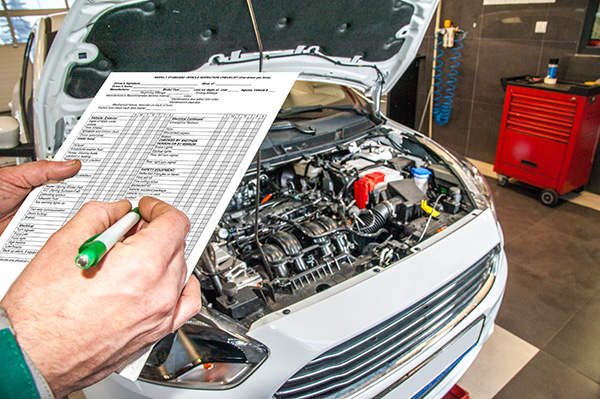
A car can feel totally fine on short drives and still have one weak link that shows up the minute you start stacking highway miles. Long stretches of heat, higher speeds, extra weight from luggage, and repeated fuel stops all add stress. That is why a quick pre-trip check is worth doing before you leave.
This is not meant to replace regular maintenance. It is a last look for common problems that are easy to miss day to day, but very good at ruining a trip when they fail.
1. Weak Battery And Slow Cranking
A battery can be borderline and still start the car most mornings. You might notice slower cranking, dimmer lights at idle, or a weak start after the car sits for a few hours. Once you add road-trip stops, heat, and more electrical use, that weak battery can quit without much warning. Testing it before you go is usually faster than dealing with a no-start at a gas station.
2. Charging System Falling Behind
An alternator can be losing output long before a warning light stays on. Common hints are flickering lights, electronics acting odd, or a battery light that pops on briefly and disappears. If the alternator is not keeping up, the vehicle can run fine until the battery drops too low to support the systems. Catching low charging early prevents the classic stranded-after-a-stop scenario.
3. Low Coolant Or Hidden Seepage
Coolant leaks do not always leave puddles. A small seep can evaporate on hot engine parts and only show up as a faint sweet smell after you park. If the reservoir level is already low before a trip, the system has less buffer when you hit traffic, hills, or hot weather. A quick check now can save you from overheating later.
4. Belt And Tensioner Wear
The serpentine belt drives key accessories, and it does not need to look terrible to fail. Cracks, glazing, frayed edges, or a chirp on startup are all signs it is getting tired. A weak tensioner can also let the belt slip under load, which can reduce charging and cooling. Replacing a belt on your schedule is a lot better than losing it on the road.
5. Tires Underinflated Or Damaged
Tire pressure is easy to overlook, and temperature swings can drop it more than people expect. Underinflated tires build up heat at highway speed, which increases the chance of a failure, especially with a loaded car. Also check tread depth and look for uneven wear, because that can hint at alignment or suspension issues. Do not forget the spare, because a flat spare is a bad surprise.
6. Brakes Near The Limit
Pads rarely fail out of nowhere, but they can wear down to the point where you are one traffic jam away from metal-on-metal noise. If the pedal feels softer than usual, the brakes squeal, or the vehicle vibrates when stopping, handle it before you leave. A sticking caliper can also create extra heat and wear, and you might not notice until the wheel is hot after a drive. A quick brake check before a trip is one of the highest-value steps you can take.
7. Fluid Leaks And Low Levels
A small leak can look harmless in the driveway and become a problem after hours of driving. Engine oil, transmission fluid, and power steering fluid all matter more on a long trip because heat and time magnify the loss. Look for fresh wet spots, residue trails, or a burning smell after parking. Topping off helps in the short term, but fixing the leak is what prevents repeat problems.
8. Wipers And Washer Problems
Wipers are easy to ignore until you hit real rain or road spray at night. If the blades streak, chatter, or leave a foggy film, visibility drops fast. Low washer fluid or clogged spray nozzles also become a bigger deal on highways with bugs and grime. Swapping blades and confirming washer spray takes minutes and can make a long drive less stressful.
9. Lights Out Or Aim Off
A burnt-out bulb is annoying around town, but it is a bigger risk on highways and in bad weather. Headlights that are hazy or misaimed can also cut your usable light without you realizing it. Take two minutes to check brake lights, signals, and headlamps before you go. It is a simple step that can prevent a ticket or a close call.
10. Steering And Suspension Looseness
Small steering and suspension issues often feel worse at speed. Clunks over bumps, a wandering feel, vibration, or a steering wheel that is off-center are all signs that something is not right. Uneven tire wear is another clue that the front end is not tracking the way it should. Fixing looseness early protects tires and helps the vehicle feel steady for the whole trip.
Get Pre-Trip Check In Portland, CT, With Portland Automotive
If you are traveling soon, the next step is to book a service so these common problems can be handled before you leave.
Schedule service with Portland Automotive in Portland, CT, to get your vehicle checked over and ready for highway miles without last-minute surprises.