You hit the A/C button, hear a little click under the hood, and wait for that blast of cold air. When the compressor is healthy, it all happens so smoothly that you barely notice. When it starts to fail, though, the system usually gives you a few subtle hints long before it stops cooling completely.
Why the A/C Compressor Matters More Than You Think
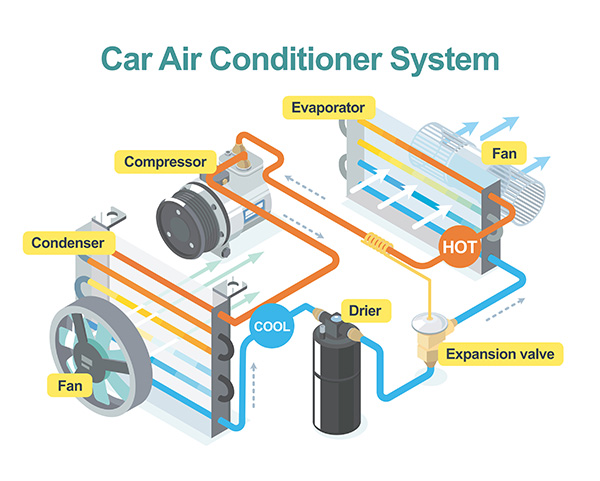
The compressor is the heart of your A/C system. Its job is to pressurize the refrigerant and push it through the condenser, lines, and evaporator so heat can be pulled out of the cabin. If it cannot build the right pressure or it stops engaging, the rest of the system has nothing to work with.
Inside the housing are pistons or scrolls, valves, and seals that rely on proper lubrication and correct refrigerant charge. Once those parts start wearing out, you get poor cooling, strange noises, or intermittent operation. From our side of the bay, most “no cold air” complaints on hot days involve the compressor or something that controls it.
Early Warning Signs from the Vents
Before the compressor quits, you often feel a change at the vents. The air may still be cool, but it does not feel as cold or strong as it used to, especially after the car has been sitting in the sun. Sometimes the system cools fine at highway speed, but turns lukewarm when you are stuck at a light.
You might also notice the air cycling between cool and almost room temperature without you touching the controls. That can happen when the compressor is switching on and off too often or struggling to keep pressures where they should be. If you keep having to turn the fan higher or aim the vents right at your face just to stay comfortable, that is your cue to have the system checked.
Noises That Point to a Weak A/C Compressor
A failing compressor often makes itself heard. Common sounds include a rattling or knocking from the front of the engine when the A/C is on, or a sharp click followed by a squeal from the belt area. The clutch on the front of the compressor can also chatter if it is worn or if the unit is trying to engage against bad internal resistance.
Another sign is a change in belt noise. If the compressor begins to seize or drag, the serpentine belt can chirp or squeal briefly when the A/C kicks in. Our technicians listen carefully during a test drive with the A/C cycling, because those small changes in sound help us separate compressor issues from other pulley or belt problems.
What You Might Notice Under the Hood and at Idle
Even without tools, you can sometimes pick up on compressor trouble just by paying attention at idle. When the system is working correctly, you will usually hear a single click as the compressor clutch engages and feel a slight change in engine load, then steady operation.
When things are going wrong, you might see the clutch trying to engage and disengage rapidly, or not engaging at all, even with the A/C button on and the fan set to cold. The engine may stumble slightly every time the compressor tries to turn, or idle speed may surge up and down. If you are comfortable looking under the hood while the engine is running, these behavior changes are worth mentioning when you bring the vehicle in.
Common Mistakes Drivers Make with a Struggling Compressor
A few habits can turn a minor A/C problem into a major compressor failure. Some of the big ones we see are:
- Repeatedly adding “top-off” cans of refrigerant without checking pressures or looking for leaks
- Ignoring obvious noises from the compressor area and continuing to run the A/C every day
- Using sealant products that can gum up internal passages and contaminate professional service equipment
- Assuming all weak cooling is “just low on Freon” and never checking the actual cause
We have seen compressors fail early because they ran low on refrigerant for too long, losing both cooling and lubrication. Getting the system checked as soon as symptoms show up usually costs less than replacing a unit that has completely come apart inside.
Why Prompt A/C Diagnosis Saves Money
When an A/C compressor fails cleanly and early, repairs are more contained. When it fails violently, metal shavings can travel through the entire system. At that point, you are no longer just replacing a compressor. The condenser, expansion device, lines, and even the evaporator may need to be flushed or replaced to get all the debris out.
That kind of “black death” failure is exactly what we try to prevent. A proper diagnosis starts with checking pressures, electrical signals to the compressor, fan operation, and refrigerant charge. From there, we can tell you whether you are dealing with a control issue, a minor leak, or a compressor that is truly worn out, and build a plan that fits the condition of the rest of the system.
Get A/C Compressor Repair in Portland, CT with Portland Automotive
If your vents are blowing warmer than they used to, the A/C cycles strangely, or you hear new noises when the system turns on, your compressor may be asking for attention. We can inspect the entire A/C system, test the compressor properly, and recommend repairs that protect both cooling performance and your budget.
Schedule A/C compressor diagnosis and repair in Portland, CT, with Portland Automotive, and we will help keep your cabin comfortably cool when the heat shows up.