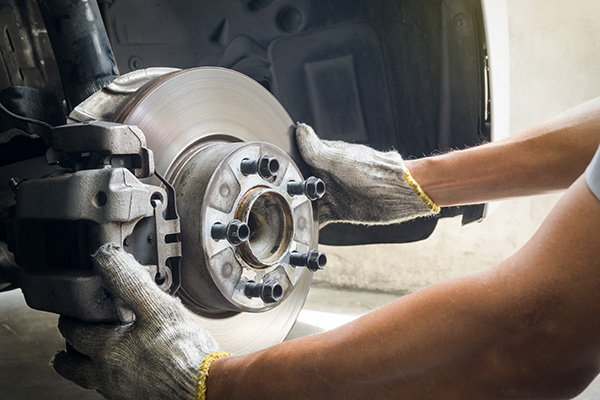
You've just had pads and rotors replaced, and the shop gives you instructions for the first part of the drive. Why should brand-new brakes need anything beyond installation?
The surfaces need to settle in and work together. That process is often called bedding-in or burnishing, and the instructions depend on the pads, rotors, and vehicle. Follow the procedure provided for the parts actually installed, not a hard-stop routine found for a different brake package.
What Happens as New Pads Meet New Rotors
The pad's working surface begins matching the rotor as the brake operates. Friction and controlled heat also establish the working surface conditions the pad material is designed to use. The details vary with the compound.
That is why a street-car replacement and a track pad sometimes have very different instructions. A product designed for racing shouldn't set the first-drive procedure for an ordinary road car. We'd explain the guidance for your replacement before handing the vehicle back.
Brake Installation Checks and the First Drive
New pads need a sound rotor surface, and the caliper has to apply and release correctly. Hardware, mounting surfaces, and the parts disturbed during the work should be checked before the car leaves. A dragging caliper won't become free because the pads have traveled another 100 miles. A soft pedal also requires checking before driving. Bedding is part of completing a sound installation, not a way to wear through a repair problem that should already have been corrected.
Use the specific instructions given with the repair. Many street-pad procedures call for controlled, moderate braking and avoiding unnecessary intense use during the initial period. Others specify a defined sequence, when conditions and safety permit. Keep enough following space that ordinary traffic doesn't force repeated hard stops. If an emergency occurs, use the braking needed to avoid a collision. Break-in guidance never means delaying an emergency stop to protect new parts. Don't attempt repeated high-speed braking on public roads just because an unrelated online procedure recommends it.
Why Heat Management Affects New Brake Surfaces
Braking turns vehicle movement into heat. Repeated heavy stops load the new contact surfaces quickly, while long downhill braking keeps them hot for longer.
Excessive heat during the wrong stage sometimes leaves uneven friction characteristics or surface changes that contribute to noise and vibration. The repair instructions should tell you how to manage the initial use of those parts. If you plan a long descent or towing trip immediately after service, mention it before the appointment so the shop can discuss the first-drive plan.
Questions to Ask Before Leaving With New Brakes
Confirm these points with the shop:
- Which pads and rotors were installed
- The first-drive procedure for those parts
- Any limits on heavy loading or towing during initial use
- What pedal feel to expect
- Which symptoms require an immediate return call
- Whether a follow-up check is requested
Keep the instructions with the invoice. A mileage remembered from another brake job isn't a substitute for the guidance that belongs to this set of parts.
What Brake Feel Should Concern You?
The car needs dependable braking when it leaves the shop. Check for a pedal that sinks, feels unusually soft, or requires pumping. So does substantial pulling, grinding, smoke, or a strong hot smell from one wheel.
Stop safely and seek advice for those symptoms rather than driving until the break-in distance is complete. Explain whether the symptom began immediately or appeared after several stops. That helps separate a pressure problem, dragging brake, or installation issue from the ordinary surface settling the instructions describe.
Brake Vibration Isn't Automatically Normal Break-In
A new pulse through the pedal or shaking through the steering wheel should be reported. We'd check rotor condition, mounting surfaces, and other causes indicated by where and when you feel it.
The inspection needs measurements, including any required runout and thickness checks. Simply telling a driver to keep using the brakes leaves the cause unknown. If the vibration existed before service and remains afterward, tell us that too. It sometimes means the original complaint involved another part or a condition that wasn't corrected.
New Brake Parts and the Follow-Up Check
The rotor's remaining thickness, surface, and manufacturer instructions decide its service options. Some rotors permit resurfacing within defined limits, while others require replacement. Don't pair pads with a damaged or undersized rotor just to reduce the initial bill. Where new rotors are fitted, their installation instructions also need to be followed, including preparation of the friction surface. The completed repair should explain what was replaced and why, then provide the bedding guidance for the combination in use.
Notice how the car stops on familiar roads. A change in pulling, noise, or pedal travel should be described promptly. You don't need to create a hard stop as a test; report what happens during normal safe driving. Save the date, mileage, parts, and measurements with the service record. They give the next visit a clear starting point if another symptom appears.
Brake Pad and Rotor Service at Portland Automotive
Portland Automotive in Portland, CT, can explain the first-drive instructions for new brakes and check for pulling, vibration, or unusual pedal feel after a repair. Tell us when the symptom appears and what parts were fitted.
Call Portland Automotive to arrange brake service or a post-repair brake check.