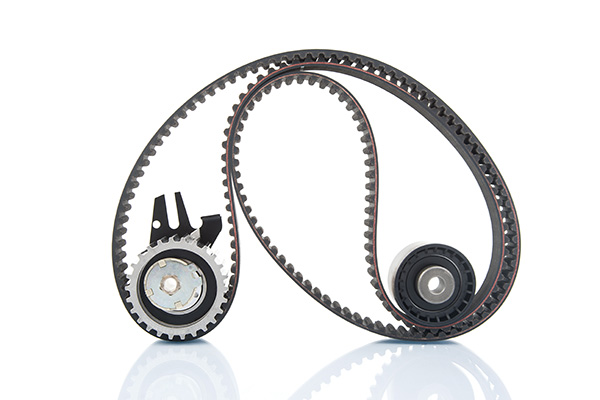
A timing belt estimate might list a belt, a tensioner, two pulleys, and a water pump. If you were expecting one rubber belt, that parts list can look excessive. A second estimate with fewer lines can seem like the same job for less money.
The difference is easier to understand once the covers are off. The belt runs around several components, and it relies on their bearings, alignment, and tension to keep the engine timed correctly. A complete service considers those parts together without automatically replacing everything nearby.
Confirm the Engine and the Service History
The same vehicle model can be sold with different engines and timing arrangements. Some have a timing chain rather than a belt. Others use more than one belt, or a belt that operates in engine oil and needs a different service procedure.
The schedule should match the exact engine, including any time limit as well as mileage. Receipts are more useful than a previous owner's recollection. A record showing a belt replacement doesn't necessarily confirm that the tensioner, idlers, or water pump were changed at the same visit.
The Tensioner and Idlers Are Working Parts
The tensioner maintains the required belt tension, while idler pulleys guide its path. Their bearings keep turning whenever the engine runs. A bearing that develops play, becomes rough, or seizes can damage a belt that still looks healthy. Hydraulic tensioners add seals and damping functions that also need attention.
During an inspection, the condition of these parts helps establish the service scope. In many applications, a matched timing kit provides the belt, tensioner, and necessary idlers. Reusing worn components to save a small portion of the job can leave the new belt dependent on the least reliable parts of the original system.
A Belt-Driven Water Pump Shares the Risk
When the timing belt drives the water pump, a pump bearing or seal failure directly affects the belt system. Coolant can reach the belt, and a damaged bearing can interfere with its travel. Accessing the pump later will also require repeating much of the timing-service labor.
Replacing that pump during scheduled belt service is therefore a common recommendation. It isn't a universal instruction to replace every water pump on every car. An electric pump or an accessible pump driven by a separate accessory belt should be considered according to its design and condition, not added simply because the engine has a timing belt.
Leaks and One-Time Hardware Need a Decision
Oil around a camshaft seal or crankshaft seal can contaminate a dry timing belt. Address that leak before installing a new belt. Damaged covers also deserve attention if they allow debris into the belt path or rub against moving components.
At our shop, we explain which seals are actively leaking and which are dry rather than selling every accessible seal automatically. The parts list should also account for fasteners the manufacturer requires to be renewed. Reusing a one-time crankshaft bolt, for example, isn't an acceptable shortcut just because it looks undamaged.
Correct Timing Takes More Than Matching Paint Marks
The crankshaft and camshafts must be held in the specified positions while the belt is installed. Some engines need dedicated locking tools, a particular tensioning sequence, or adjustments performed at a specified temperature. Paint marks left by a previous repair don't replace the factory procedure.
Before startup, the technician follows the required rotation and timing-verification steps, checks belt tracking, and confirms tension. Cooling systems opened for a water pump need the correct refill and bleeding procedure. A quiet startup is encouraging, but leaks, temperature behavior, and any timing-related faults still need checking afterward.
The Final Invoice Should Make the Next Service Clear
Keep a record of the date, mileage, parts replaced, and any leaks repaired. It should distinguish a belt-only job from a belt-and-tensioner kit with a water pump. Those details prevent uncertainty when the next owner or technician reviews the vehicle's regular maintenance history.
Ask for the next service due date and mileage limits based on the manufacturer's schedule. We also note related work that wasn't needed, such as a separate accessory drive still in serviceable condition. That leaves you with a clear record of what was done, rather than a receipt that says only timing belt service.
Get Timing Belt And Tensioner Service In Portland, CT, With Portland Automotive
Portland Automotive in Portland, CT, can review the belt schedule and explain the components included for your engine. The estimate can separate necessary timing work from optional or unrelated services.
Contact us to discuss timing belt service and review what your vehicle needs before the work begins.