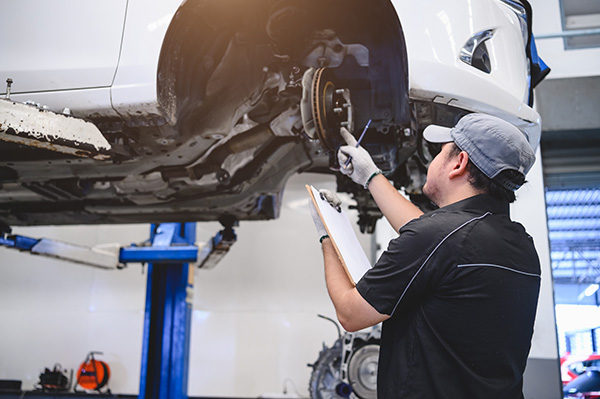
Brake noise can be confusing because not every sound means the same thing. At our shop, we talk with drivers all the time who are trying to decide whether a brake noise is just one of those harmless little quirks or something that needs attention right away. That is a fair question, because brakes can make noise for reasons that range from completely manageable to genuinely urgent.
The important thing to understand is that brakes are not supposed to sound the same in every situation. Weather, moisture, pad material, heat, dust, and driving style can all influence what you hear. So yes, some brake noise can be considered normal. But some noises are your vehicle’s way of saying something is worn out, damaged, or no longer safe to ignore.
The difference usually comes down to what the noise sounds like, when it happens, and whether it is getting worse over time.
When Brake Noise Can Be Normal
There are a few brake noises we consider fairly common and not automatically dangerous. That does not mean they should always be ignored forever, but it does mean they are not always signs of immediate trouble.
One of the most common examples is a light squeak or rust sound first thing in the morning, especially after the car has been sitting overnight or after rain. Brake rotors can develop a thin layer of surface rust very quickly. When you first drive off and apply the brakes, that rust gets brushed away. It can cause a scraping or rubbing sound for a moment, but once the brakes are used a few times, the noise usually disappears.
Another situation that can be fairly normal is a brief squeak when the brakes are cold or slightly damp. Some brake pad materials are simply noisier than others. Performance pads, semi-metallic pads, and even some newer pads can make light noise under certain conditions without meaning the system is unsafe.
A few situations where brake noise may be normal include:
- A light rust scraping sound after the car has been parked overnight
- A short squeak during damp weather that goes away quickly
- Mild noise right after new brake pads have been installed and are still bedding in
The key word in all of those examples is brief. If the sound is light, temporary, and goes away once the brakes warm up or the rust clears off, it is often not a major concern.
When Squeaking Starts Becoming A Warning Sign
Squeaking is where things get tricky. A little squeak can be harmless in one situation and a warning sign in another. If the squeak keeps happening every time you brake, especially after the car is warmed up and the weather is dry, it deserves a closer look.
Brake pads often have wear indicators built into them. These are small metal tabs that begin making contact with the rotor when the pads get low. That creates a consistent squealing or high pitched warning noise. In that case, the sound is doing exactly what it was designed to do. It is telling you it is time to check the brakes before the wear gets worse.
This kind of squeaking is not usually an emergency the first moment it starts, but it is definitely not something to put off for long. If you keep driving on worn pads, the next stage is usually more expensive.
Grinding Is Almost Never A Normal Sound
If a customer tells us their brakes are grinding, our attention goes up immediately. Grinding is one of the clearest signs that brake noise has moved out of the normal category and into the dangerous one.
A grinding sound often means the brake pads are worn down so far that metal is contacting metal. Instead of friction material pressing against the rotor, the backing plate of the pad may be scraping the rotor directly. That can damage the rotor quickly and reduce braking performance at the same time.
Grinding can also come from debris caught between the rotor and backing plate, but even then, it still needs to be checked. Either way, it is not something we consider harmless. If your brakes are grinding, that is usually a stop procrastinating situation.
Clicking Or Clunking Can Mean Something Is Loose
Not all brake problems sound like squeaks or grinding. Sometimes the noise is more of a click, clunk, or knock, especially when braking at low speed or changing direction. This can happen if brake hardware is loose, pads are shifting more than they should, or other nearby suspension components are worn.
This is where diagnosis matters, because a clunk under braking is not always a brake pad issue specifically. But it is still not a noise to ignore. A vehicle should not feel like something is shifting around when you apply the brakes. If you hear a clunk when braking, it may not mean immediate brake failure, but it does mean something is loose, worn, or moving when it should not be.
Thumping Or Pulsing Usually Means Something Else Is Going On
Sometimes drivers describe brake noise along with a pulsing feeling in the pedal or a rhythmic thump while slowing down. That often points more toward rotor issues than simple pad wear. A rotor that is uneven, heat damaged, or wearing irregularly can create both noise and vibration.
This may not sound as dramatic as grinding, but it still matters because it affects how smoothly and confidently the vehicle stops. If braking feels rough, noisy, or uneven, the system is no longer working as cleanly as it should.
Scenarios That Help Tell The Difference
A few real world examples make this easier to sort out.
If your car makes a light scraping sound for the first two stops after a rainy night and then stays quiet the rest of the day, that is often just surface rust and usually not dangerous.
If your brakes squeal every time you slow down at every stop sign for the last week, even in dry weather, that is more likely a wear indicator or a sign that the pads need attention.
If you hear grinding when braking and the car also feels like it takes longer to stop, that is dangerous and should be checked immediately.
If the brakes make a clunk when stopping or backing up, that may point to loose hardware or worn components and should still be inspected soon.
If the sound started right after new brakes were installed and fades over the next few days, that may be part of the bedding process. If it gets worse instead of better, that is a different story.
What Makes A Brake Noise Dangerous
From our perspective, brake noise becomes dangerous when it comes with any of these patterns:
- It is getting louder or more frequent
- It happens every time you brake
- It sounds like grinding metal
- It comes with vibration, pulling, or reduced stopping confidence
- It is paired with a soft pedal or longer stopping distances
That is when the sound is no longer just a noise. It is part of a larger braking problem.
Do Not Wait For The Noise To Get Dramatic
One of the biggest mistakes drivers make is waiting until the sound becomes unbearable before doing anything. The earlier you catch brake wear, the better your chances of keeping the repair simpler and less expensive.
Waiting too long is how a pad issue becomes a pad and rotor issue, or a rotor and caliper issue. At Portland Automotive in Portland, CT, we would always rather inspect a brake noise early and tell someone it is minor than see the same vehicle later after the damage spread.
Call our friendly team today or stop by to schedule a brake inspection.